

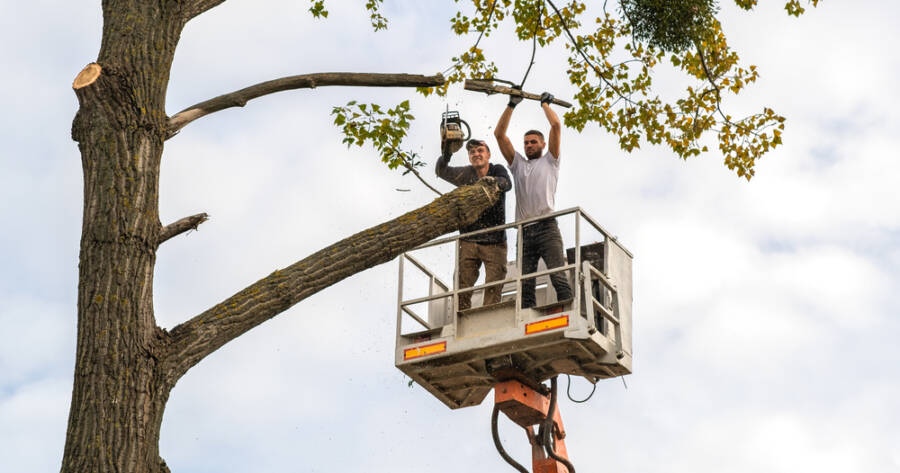
Tree trimming plays a vital role in maintaining healthy trees and protecting people, property, and surrounding landscapes. Before cutting branches, it’s important to understand proper timing, safety risks, and correct techniques. Knowing when to trim, what tools to use, and when to call professionals can prevent damage, reduce hazards, and promote long-term tree health.
Understanding Tree Trimming Services
Tree trimming is an essential service that ensures the health and safety of trees, as well as the safety of people and property around them. Proper tree trimming can enhance tree health by removing dead or broken branches, which can otherwise lead to tree decline or death. It is crucial to avoid excessive removal of living branches, as this can harm the tree’s overall health and form.
Additionally, tree trimming can be hazardous, involving risks such as falls and electrocution, especially when working near power lines. Therefore, it is often recommended to hire professional tree trimming services to handle these complexities safely and efficiently and effectively.
What You Should Know Before Trimming a Tree
Before embarking on a tree trimming project, it is important to understand the best practices and safety measures involved. The timing of tree trimming is crucial; the dormant season, such as late fall or winter, is ideal for minimizing stress and disease risk. Avoid trimming during spring when sap flow can attract pests and cause issues.
Prioritize removing dead, diseased, or damaged limbs to prevent long-term problems. Using the right tools, such as pruning shears and loppers, is essential for making clean cuts and reducing disease risk. For larger branches, the three-cut method is recommended to prevent tearing and bark damage, promoting quicker healing.
Safety Considerations in Tree Trimming
Safety is paramount when trimming trees, particularly near power lines. Essential safety tips include performing a hazard assessment, using personal protective equipment (PPE), and ensuring that only trained professionals work within ten feet of power lines.
Proper tree trimming techniques, such as notching the tree on the fall side and being aware of the felling direction, are important to prevent accidents and ensure safe tree removal and operations. Employers should provide training on equipment, safety practices, and PPE to ensure worker safety during tree trimming operations, especially after severe weather events when risks are heightened.
Tools and Techniques for Effective Tree Trimming
Using the right tools and techniques is crucial for effective tree trimming. Anvil-type hand pruning tools are discouraged due to their crushing action, while bypass hand-cutting tools are recommended for removing live plant tissue. Pruning to “natural targets” involves using scientific knowledge to remove live and dead wood, ensuring cuts are made at the correct points to promote healing.
The steps to natural target pruning involve making precise cuts to avoid damaging the branch bark ridge and branch collar. For large branches, a three-cut method is recommended to prevent bark tearing, starting with a cut through the bark on the bottom of the branch, followed by a cut above, and finishing with a final cut along the dotted line to ensure proper healing.
Why You Should Learn More About Tree Trimming Today
Tree trimming is not just about maintaining the aesthetic appeal of your landscape; it is a critical practice for ensuring the health and safety of your trees and surroundings. Understanding the best times to trim, the right tools to use, and the safety measures to implement can make a significant difference in the outcome of your tree trimming efforts.
Whether you are a homeowner looking to maintain your garden or a business ensuring the safety of your premises, learning more about tree trimming and available services can help you make informed decisions. By staying informed, you can ensure that your trees remain healthy and your property safe, while also contributing to the overall beauty and ecological balance of your environment.