

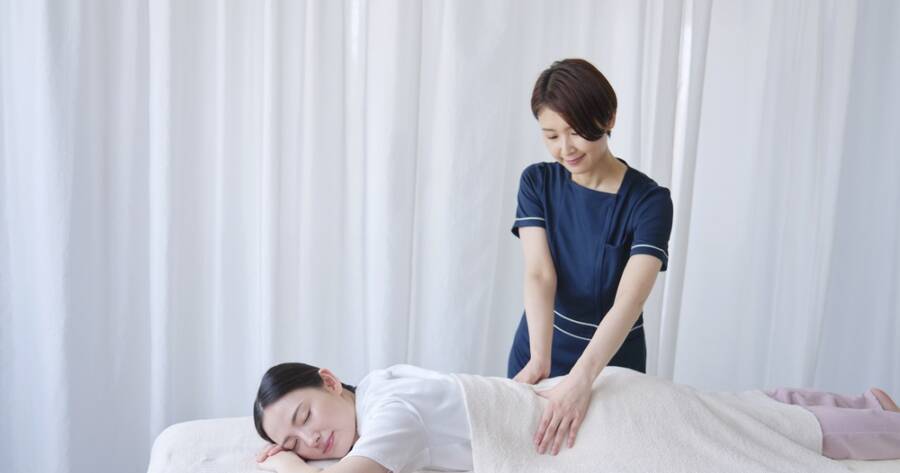
Professional massage therapy no longer requires a trip to a spa or wellness center. For those exploring at-home massage options in their area, a growing network of licensed therapists and on-demand platforms makes it easier than ever to enjoy a quality session in the comfort of home.
The Rise of Mobile Massage Therapy
Mobile massage therapy has expanded significantly in recent years, with a substantial share of licensed professionals now offering in-home services. Data from the American Massage Therapy Association shows that four in ten massage therapists reported traveling to clients’ homes or workplaces as part of their practice (source). This shift reflects both changing consumer preferences and a broader cultural comfort with home-based service economies.
The appeal is straightforward: instead of commuting to a spa, dealing with parking, or sitting in a waiting room, clients receive the same professional-grade treatment in their own living space. Therapists who offer mobile services frequently charge a premium due to the additional time and logistics of travel, yet many clients find that the convenience more than justifies the difference in cost (source). When travel time and related stress are factored out of the equation, the at-home experience often delivers greater overall relaxation.
Who Benefits Most From In-Home Massage Services
While virtually anyone can enjoy a massage at home, certain groups find it especially valuable. Seniors, individuals managing chronic illness, hospice patients, and people with mobility limitations may find it difficult or impossible to visit a traditional massage studio (source). For these individuals, mobile therapy is not simply a luxury — it can be an essential part of maintaining physical and emotional well-being.
Busy parents, remote workers, and professionals with demanding schedules also make up a significant portion of the at-home massage market. The ability to fit a therapeutic session into an afternoon without leaving the house removes one of the primary barriers that often prevents people from making massage a regular wellness habit. Whether the goal is stress relief, pain management, or recovery support, in-home services provide flexible access to licensed care.
On-Demand Platforms That Connect Clients With Local Therapists
For those who want immediate access to professional massage without a long search process, on-demand platforms offer a reliable solution. Services like Soothe and Zeel allow users across dozens of U.S. cities to book a certified therapist with as little as one hour of advance notice, available throughout most days of the year including holidays (source). This level of accessibility places professional massage in the same on-demand category as food delivery or rideshare — something that can be arranged quickly and conveniently.
Soothe currently operates across more than 60 locations spanning the United States, Canada, the United Kingdom, and Australia, while Zeel’s coverage focuses exclusively on over 70 locations throughout the U.S. (source). Both platforms have built reputations around connecting clients with vetted, licensed professionals, offering a level of trust that independent searches may not always provide.
One of the most notable features of these services is that therapists arrive fully equipped. Clients do not need to provide anything — the therapist brings the massage table, linens, oils or lotions, and even ambient music to set the right atmosphere (source). The result is a spa-caliber experience delivered directly to the client’s door.
What to Expect When Booking an At-Home Session
The booking process for mobile massage is typically straightforward. Most platforms and independent therapists allow scheduling through an app or website, with options to specify session length, massage type, and therapist preferences. Common offerings include Swedish, deep tissue, prenatal, and sports massage, among others. Pricing varies based on session duration, location, and whether a membership or single-session rate applies.
Once booked, clients should prepare a clear, comfortable space for the therapist to set up. A quiet room with enough floor space for a standard massage table is generally sufficient. After the session, there is no need to rush out — clients can stay relaxed in their own environment, which many find enhances the lasting effects of the treatment.
Demand for at-home massage has remained consistently strong, with consumer interest holding steady even through periods when home-based services became the norm rather than the exception (source). This durability signals that mobile massage has transitioned from a niche offering to a mainstream wellness option.
Why You Should Learn More About At-Home Massage Options Today
At-home massage therapy represents a meaningful shift in how professional wellness services are accessed. For individuals who value convenience, privacy, or simply prefer the comfort of familiar surroundings, mobile massage offers a compelling alternative to traditional studio visits. Licensed therapists equipped with professional tools now serve clients across a wide range of U.S. cities, and on-demand platforms have made the booking process faster and more transparent. Whether someone is managing a health condition, recovering from physical activity, or simply seeking regular stress relief, exploring local at-home massage options opens the door to consistent, accessible care on one’s own schedule.